

The Truth About “Mature Skin” (That No One Talks About)
What mature skin really means, when skin starts to change, and why makeup matters just as much as skincare.
What Is “Mature Skin,” Really?
One of the most searched questions in beauty is: “When does skin become mature?”
The industry often says 40, but biologically, that’s not accurate.
Skin doesn’t suddenly become “mature” at a specific age. In reality, it begins changing much earlier, often in our mid-20s.
These shifts are a natural part of skin biology, not a flaw. They influence how skin feels, how it holds makeup, and how it reacts to products, including the makeup we wear.
When Does Skin Start to Change?
From the mid-20s onward, several natural processes gradually occur:
- Collagen and elastin production decline
- Skin cell turnover slows
- Natural moisture retention changes
These changes happen slowly and differently for everyone, and they affect how makeup wears throughout the day.
Why the Term “Mature Skin” Is Misleading
“Mature skin” is often framed as something that needs:
- More coverage
- Heavier makeup
- More correction
But skin that changes doesn’t need to be fixed. It needs to be understood and supported, especially in how we choose and wear makeup.
How Skin Changes Affect Makeup Wear
As skin evolves:
- It moves more
- It flexes more
- Texture becomes more visible
- Makeup holds differently
Heavy, rigid formulas may:
- Break down faster
- Settle into lines
- Look cakey or muddy
- Lose freshness over time
This isn’t the skin’s fault, it’s usually a makeup formula issue, not a skin issue.
Why Makeup Matters as Much as Skincare
Many people invest significantly in skincare - serums, treatments, and routines, but overlook makeup.
Makeup:
- Interacts with your skincare
- Moves with facial expressions
- Stays on the skin all day
- Influences comfort and appearance over time
Caring for your skin doesn’t stop at skincare. Makeup plays a role too.
What Changing Skin Actually Needs in Makeup
Below are the qualities that help makeup support, not fight, evolving skin.
1. Hydration & Skin-Friendly Ingredients
Look for:
- Barrier-supporting ingredients to protect and strengthen the skin
- Lightweight, flexible formulas that move with the skin
- Soothing ingredients to reduce sensitivity and redness
Makeup with skin-friendly, hydrating ingredients helps skin look smoother, fresher, and more radiant, while maintaining comfort throughout the day, making makeup feel like part of your skincare, not a separate step.
2. Lightweight, Buildable Coverage
Look for:
- Buildable foundations or tinted moisturizers
- Medium coverage without heaviness
- Layerable formulas that never cake
Lightweight creams, liquids, and finely milled powders that help skin feel plump, smooth, and comfortable. These formulas extend wear, create a soft, silky texture that applies seamlessly to gently blur the look of pores, fine lines, and imperfections, delivering a smooth finish without feeling heavy or cakey, making them ideal for comfortable, everyday wear.
3. Radiance & Glow (Not Flatness)
Look for:
-
Soft, light-reflecting finishes
Soft, light-reflecting finishes are designed to enhance the skin’s natural radiance without shine. Instead of sitting flat or heavy on the skin, they gently bounce light across the surface, creating a smoother, more balanced appearance.
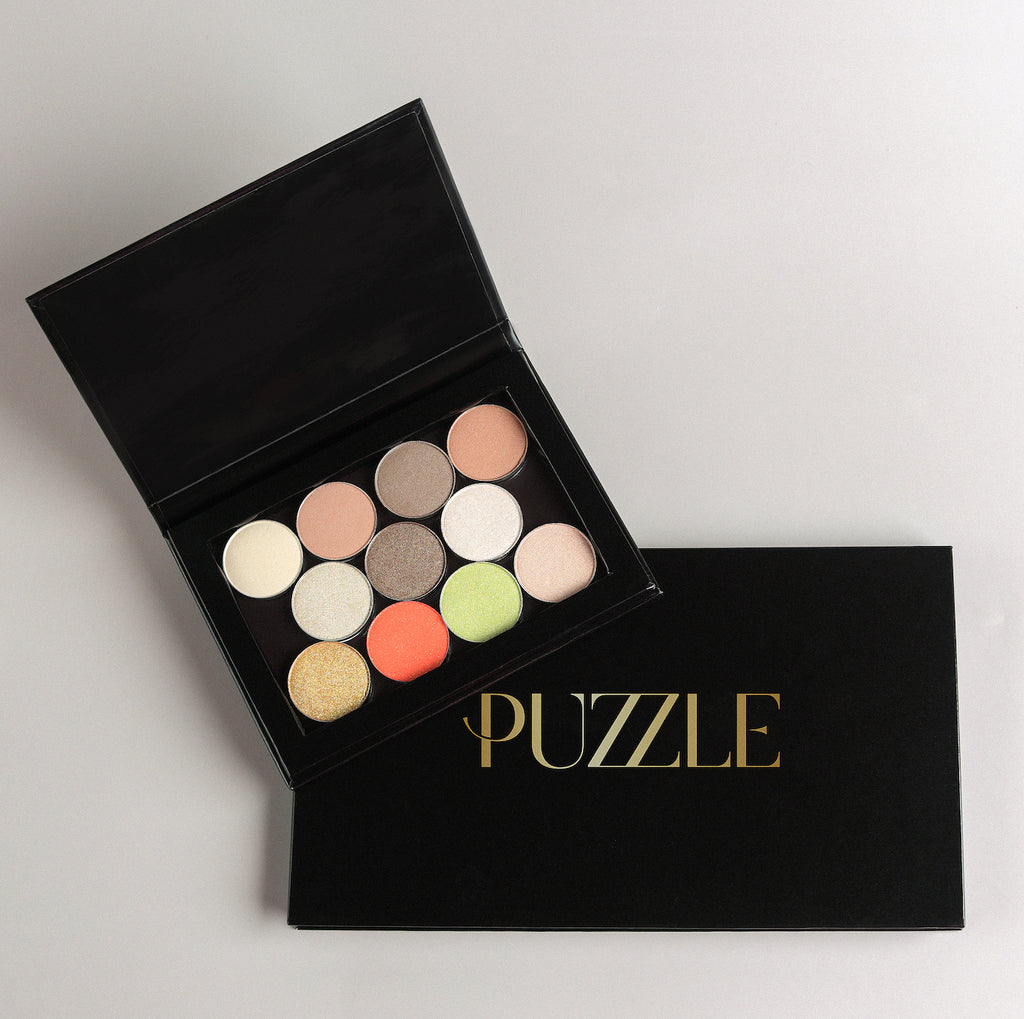
4. Eye Makeup That Enhances Without Dragging
Look for:
-
Soft, thin, blendable formulas
As eyelids can become thinner or less firm, soft and lightweight textures glide easily, blend smoothly, and reduce tugging.
5. Skin-Improving Makeup (Not Just Concealing)
Look for:
- Antioxidant-rich pigments
- Non-comedogenic, gentle formulas
- Hydrating lipsticks
Heavy formulas can settle into fine lines or make texture more noticeable. Makeup that protects and nourishes adds value beyond coverage.
6. The Right Color Choices
Look for:
- Blush tones that bring light and lift to the cheeks
- Lip colors that add dimension without overpowering
- Foundations that create a natural glow and a refreshed skin-like finish
- Eyeshadow pigments that open and lift the eye area
- Highlighters that are soft, not overly shiny
The right shades reflect light and help counteract uneven tone.
7. Long-Wearing, Flexible Formulas
Look for:
- Flexible formulas
- Long-lasting products that don’t crack
- Makeup that stays put without tugging
Skin changes throughout the day - makeup should stay comfortable and fresh as it does.
A Gentler Way to Think About “Mature Skin”
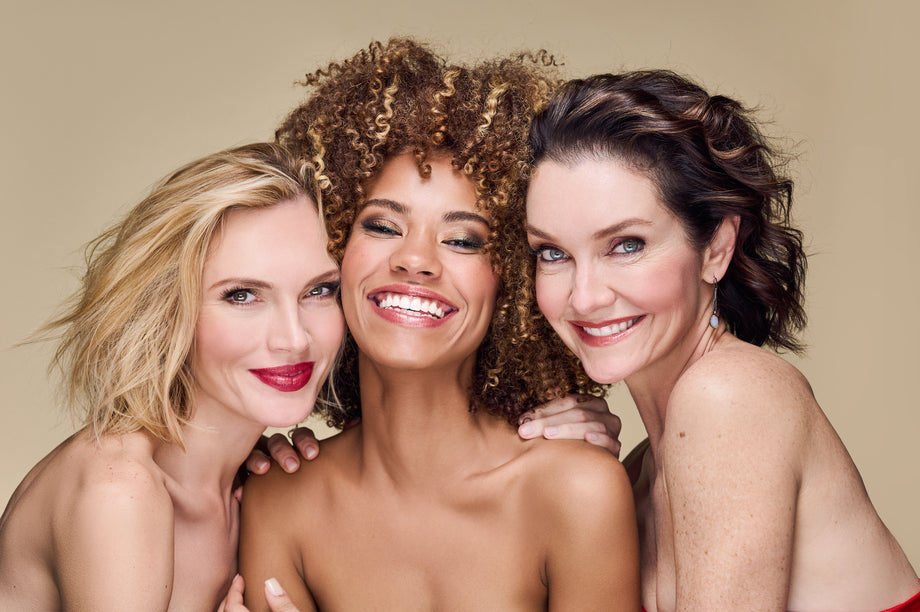
Changing or “mature” skin isn’t something to fear. It isn’t a label or a flaw. It’s a natural evolution.
The best makeup isn’t about hiding, it’s about supporting your skin, respecting its biology, and letting your confidence show.
Your skin doesn’t need fixing. It needs understanding. And the right makeup, chosen with care, can be part of that.
Find Your Style
Discover makeup that is professionally selected to empower your everyday look, at any age & every stage.